
Book Appointment Now
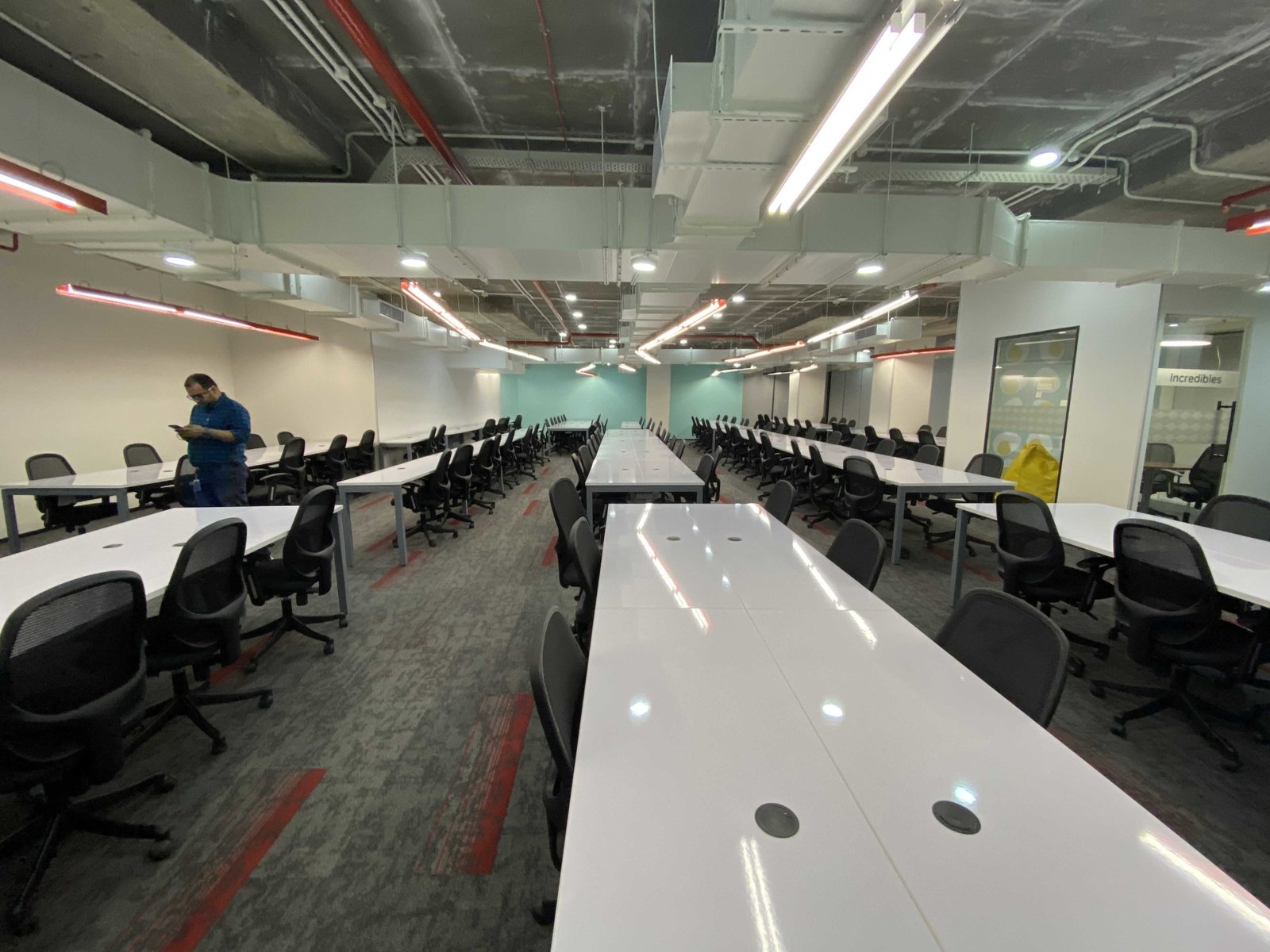
Business Rental Space: Everything You Need to Know
Business rental space refers to a commercial property that individuals, entrepreneurs, startups, and established companies lease to operate their businesses. These spaces can include offices, retail shops, warehouses, restaurants, studios, coworking spaces, and other properties designed for commercial activities. Renting a business space allows companies to establish a professional location without purchasing an entire property.
Choosing the right business rental space is an important decision because location, rental costs, accessibility, and property features can directly affect daily operations and customer experience. A retail business may need a busy street with strong foot traffic, while a consulting company might benefit from a quiet office near clients or public transportation. Similarly, an e-commerce company may prioritize warehouse storage, delivery access, and loading facilities.
Business rental spaces are available in different sizes, locations, and price ranges. Some landlords offer short-term leases for flexible operations, while others require long-term agreements. Understanding the available options, comparing costs, and reviewing lease conditions can help business owners make informed decisions.
Whether you are launching a startup, expanding an existing company, or moving to a new location, selecting a suitable rental property can provide the space and flexibility needed to support business growth.
Key Factors to Consider When Renting Business Space
Before choosing a commercial property, business owners should evaluate several important factors:
- Location: Choose an area that is convenient for customers, employees, suppliers, or business partners.
- Rental budget: Calculate the monthly rent and additional expenses, including utilities, maintenance, insurance, and taxes where applicable.
- Property size: Ensure the space accommodates current operations and reasonable future growth.
- Lease terms: Review the rental period, deposit, renewal conditions, rent increases, and early termination provisions.
- Accessibility: Consider parking, public transportation, delivery access, and accessibility for people with disabilities.
- Facilities: Check internet connectivity, electricity, heating or cooling, restrooms, storage, and security.
- Permitted use: Confirm that the property can legally accommodate your intended business activity.
- Future flexibility: Determine whether the space can support changes in staffing, inventory, or operating requirements.
What Types of Business Rental Space Are Available?
Commercial rental properties serve different business needs. Understanding the main categories helps you identify the most suitable option.
Office Rental Space
Office rental space is designed for businesses that require a professional environment for administrative work, meetings, customer consultations, or collaboration.
Common tenants include consultants, accountants, technology companies, agencies, financial professionals, and service providers. Office spaces may be furnished or unfurnished and can range from individual rooms to entire floors.
Some offices include meeting rooms, reception services, shared kitchens, and high-speed internet. Others offer a basic layout that tenants can customize.
Retail Business Rental Space
Retail rental spaces are suitable for businesses that sell products or interact directly with customers. Examples include clothing stores, convenience shops, boutiques, salons, and specialty retailers.
Location is particularly important for retail businesses. A property near shopping districts, residential neighborhoods, transport hubs, or complementary businesses may attract more potential customers.
Before signing a lease, consider storefront visibility, pedestrian traffic, parking, signage permissions, storage capacity, and local competition.
Warehouse and Industrial Rental Space
Warehouses and industrial properties are used for storage, distribution, manufacturing, packaging, and logistics operations.
These spaces may include loading docks, high ceilings, vehicle access, storage systems, and specialized electrical or ventilation facilities. Businesses should assess the property’s suitability for their equipment, inventory, and operational requirements.
Zoning restrictions, fire safety requirements, delivery access, and insurance conditions are especially important when renting industrial space.
Coworking and Shared Business Space
Coworking spaces provide shared desks, private offices, meeting rooms, and common facilities. They are often suitable for freelancers, remote workers, startups, and small teams.
Shared workspaces can reduce initial expenses because businesses may avoid purchasing furniture, arranging internet service, or managing certain building facilities independently.
Many coworking providers offer daily passes, monthly memberships, dedicated desks, or private offices. However, businesses should review privacy, noise levels, meeting-room availability, and access hours before choosing a plan.
Restaurant and Food Business Rental Space
Restaurants, cafés, bakeries, and catering businesses may require commercial spaces with specialized facilities.
Important considerations include kitchen ventilation, plumbing, electricity, food preparation areas, waste management, customer seating, and delivery access. Depending on the location and business model, permits and inspections may also be necessary.
A property that previously operated as a restaurant may already have some suitable infrastructure, potentially reducing renovation expenses. However, its equipment and approvals should be checked carefully.
How Much Does Business Rental Space Cost?
The cost of business rental space varies according to location, property type, size, condition, facilities, and lease terms. A small office in a suburban area may cost considerably less than a retail unit in a busy commercial district.
Commercial properties may advertise rent per square foot or square meter, monthly rent, or annual rent. In some markets, additional charges apply for shared building expenses, property taxes, insurance, utilities, and maintenance.
The following table summarizes common cost factors.
| Cost factor | What to consider |
|---|---|
| Base rent | The amount charged for occupying the property |
| Security deposit | Money paid upfront under the lease agreement |
| Utilities | Electricity, water, heating, cooling, and internet |
| Maintenance | Repairs and upkeep responsibilities |
| Service charges | Shared building expenses or common-area costs |
| Renovation | Changes needed to make the space suitable |
| Insurance | Coverage required by the landlord or local regulations |
| Moving expenses | Transportation, installation, and setup costs |
For example, a business should not evaluate a property solely on its advertised rent. A cheaper unit that requires extensive renovation or expensive utilities could cost more overall than a slightly more expensive property that is ready to use.
A practical approach is to estimate the total monthly occupancy cost and the upfront amount required before signing a lease.
How to Find the Right Business Rental Space
Finding a suitable property requires research, comparison, and careful evaluation. Following a structured process can reduce the risk of selecting an unsuitable location.
Define Your Business Requirements
Start by identifying the purpose of the space. Consider how many employees will use it, whether customers will visit, how much storage is necessary, and what equipment must be installed.
Create a list of essential features and optional preferences. For example, a small consulting business might require reliable internet, a private meeting room, and convenient transportation, while a retail store may need a visible storefront and accessible parking.
Choose the Right Location
Research several areas before deciding where to rent. Consider customer demographics, competition, transport links, nearby services, and the location’s reputation.
If customers must visit regularly, convenience and visibility may be essential. For businesses that mainly operate online, lower occupancy costs, reliable logistics, and employee access may be more important.
Compare Multiple Properties
Compare several properties rather than selecting the first available option. Review the rental price, square footage, included facilities, lease conditions, and expected additional costs.
Property photographs and online descriptions are useful starting points, but they should not replace an in-person inspection whenever possible.
Inspect the Property
Visit the property to check its actual condition. Examine lighting, ventilation, plumbing, electrical systems, internet availability, security, and general maintenance.
Look for issues such as water damage, insufficient outlets, poor accessibility, limited parking, or signs that substantial repairs may be necessary. Ask the landlord which repairs will be completed before occupancy.
Review the Lease Agreement
A commercial lease establishes the rights and responsibilities of the landlord and tenant. Review the agreement carefully before signing.
Important provisions include the lease duration, rent payment schedule, deposit terms, permitted use, maintenance responsibilities, renewal rights, rent increases, and termination conditions.
If the agreement involves a substantial financial commitment or complicated conditions, consider obtaining professional legal advice.
What Are the Benefits of Renting Business Space?
Renting commercial property can provide several advantages, particularly for businesses that want to preserve capital or maintain flexibility.
Lower Initial Investment
Renting usually requires less upfront capital than purchasing a commercial property. Although tenants may need to pay a deposit, initial rent, moving costs, and renovation expenses, they generally do not need to fund the entire property purchase.
This can leave more capital available for inventory, marketing, staffing, equipment, and business development.
Greater Flexibility
A suitable rental agreement may allow a business to move, expand, or reduce its space as needs change. Shorter leases and flexible workspace memberships can be especially helpful for startups and businesses testing new markets.
However, flexibility depends on the contract. Some commercial leases have strict minimum terms or substantial early termination costs.
Access to Professional Facilities
Many commercial buildings offer amenities such as reception areas, meeting rooms, elevators, security systems, parking, and shared facilities.
These features can help businesses operate professionally without independently arranging every service.
Opportunities to Test New Markets
Renting can allow a business to establish a presence in a new neighborhood or commercial district before making a long-term property investment.
For example, a retailer may lease a small storefront to evaluate local demand before expanding to a larger location.
What Are the Disadvantages of Renting Business Space?
Despite its benefits, renting commercial property also presents potential challenges.
Ongoing rental expenses: Rent remains a recurring business expense and may increase when the lease is renewed.
Limited control: Tenants may need landlord approval for renovations, signage, structural changes, or certain installations.
Lease restrictions: A contract may limit the permitted business activity, operating hours, subleasing, or property modifications.
Relocation risk: The landlord may not renew the lease, or the business may outgrow the property and need to move.
Additional charges: Maintenance, service fees, utilities, and other expenses can make the total cost higher than the advertised rent.
Business owners should compare these disadvantages with the flexibility and lower initial investment that renting may provide.
What Should You Check Before Signing a Business Rental Agreement?
A commercial lease should be reviewed carefully because it can affect a company’s costs, operations, and future flexibility.
Before signing, confirm the following:
- The legal identity of the landlord and the tenant.
- The exact property address and area being rented.
- The monthly or annual rent and payment deadlines.
- The security deposit and the conditions for its return.
- The lease duration, renewal options, and notice requirements.
- The permitted business activities and any restrictions.
- Responsibility for repairs, maintenance, insurance, and utilities.
- Rules for signage, renovations, subletting, and property access.
- Procedures for resolving disputes and ending the agreement.
- Any additional fees, rent escalation clauses, or required permits.
Do not rely solely on verbal promises. Important agreements about repairs, rent concessions, or improvements should be documented in writing.
Frequently Asked Questions About Business Rental Space
What is business rental space?
Business rental space is a commercial property leased to a company, entrepreneur, or professional for business activities. It may include offices, retail stores, warehouses, restaurants, studios, or shared workspaces.
How much does it cost to rent business space?
The cost depends on the property’s location, size, type, facilities, and lease terms. Additional expenses may include utilities, maintenance, deposits, insurance, and renovation costs. Comparing total occupancy costs provides a more realistic budget.
Is renting business space better than buying commercial property?
Renting can be more suitable for businesses that want lower upfront investment and greater flexibility. Buying may offer more control and potential long-term property ownership benefits. The right option depends on finances, business stability, investment goals, and local market conditions.
What documents are needed to rent business space?
Requirements vary by landlord and location. Common requests may include identification, business registration documents, financial statements, proof of income or funds, references, and details about the intended business activity. Some landlords may also require a guarantor or additional financial security.
How can I find affordable business rental space?
Define your essential requirements, compare several neighborhoods, consider smaller or shared spaces, and review the complete rental cost rather than base rent alone. Negotiating lease terms and choosing a property that matches your actual needs can help manage expenses.
Conclusion
Business rental space provides entrepreneurs and established companies with a practical way to secure a location for their operations without purchasing commercial property. Options range from professional offices and retail units to warehouses, restaurants, and coworking spaces.
The best property depends on the nature of the business, available budget, location requirements, facilities, and future growth plans. By comparing properties, inspecting their condition, calculating total occupancy costs, and reviewing lease agreements carefully, business owners can make more informed rental decisions.
A well-chosen commercial space can support daily operations, improve customer access, provide a professional environment, and create opportunities for business growth. The key is to choose a property that meets current needs while remaining financially sustainable over the duration of the lease.
| Read More : San Jose Sales Tax |


